By H. Elkins:
High School Science Teacher
All photos taken by Mr. Elkins
There’s something I tell my students when the end of the year at BFA approaches. I print it out for them and laminate it, because it’s one of the main things I want them to take away from my environmental science class:
“Never cease going outside to practice the holy habit of noticing.”
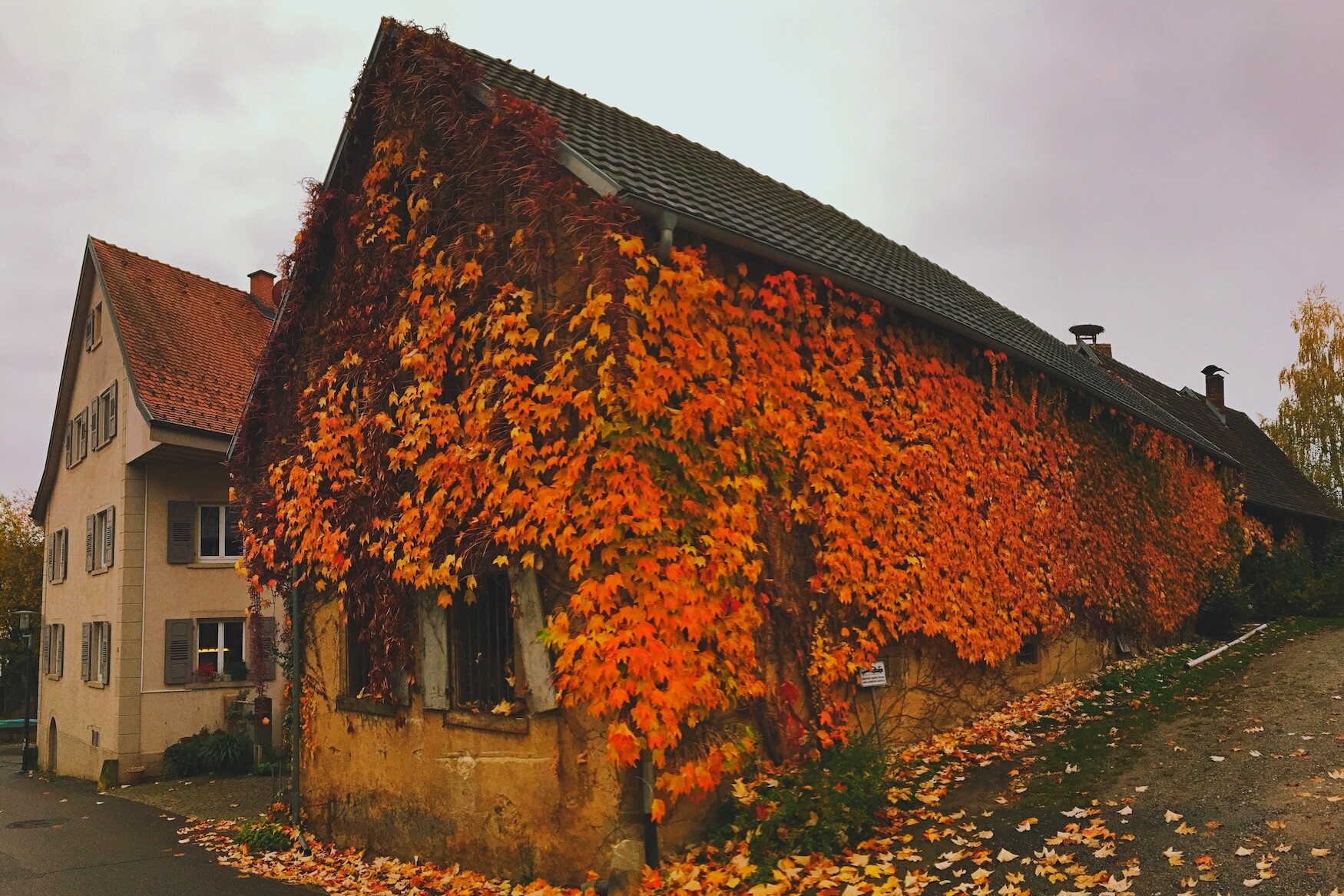
The lesson sticks with my students. Every week it seems, if not every other day, a current or former student sends me a photo of a moth, mushroom, or frog that made them think of me.
I was reminded of it the other morning as a mom on campus was telling me about all the preserved leaves her daughter has stored in the basement.
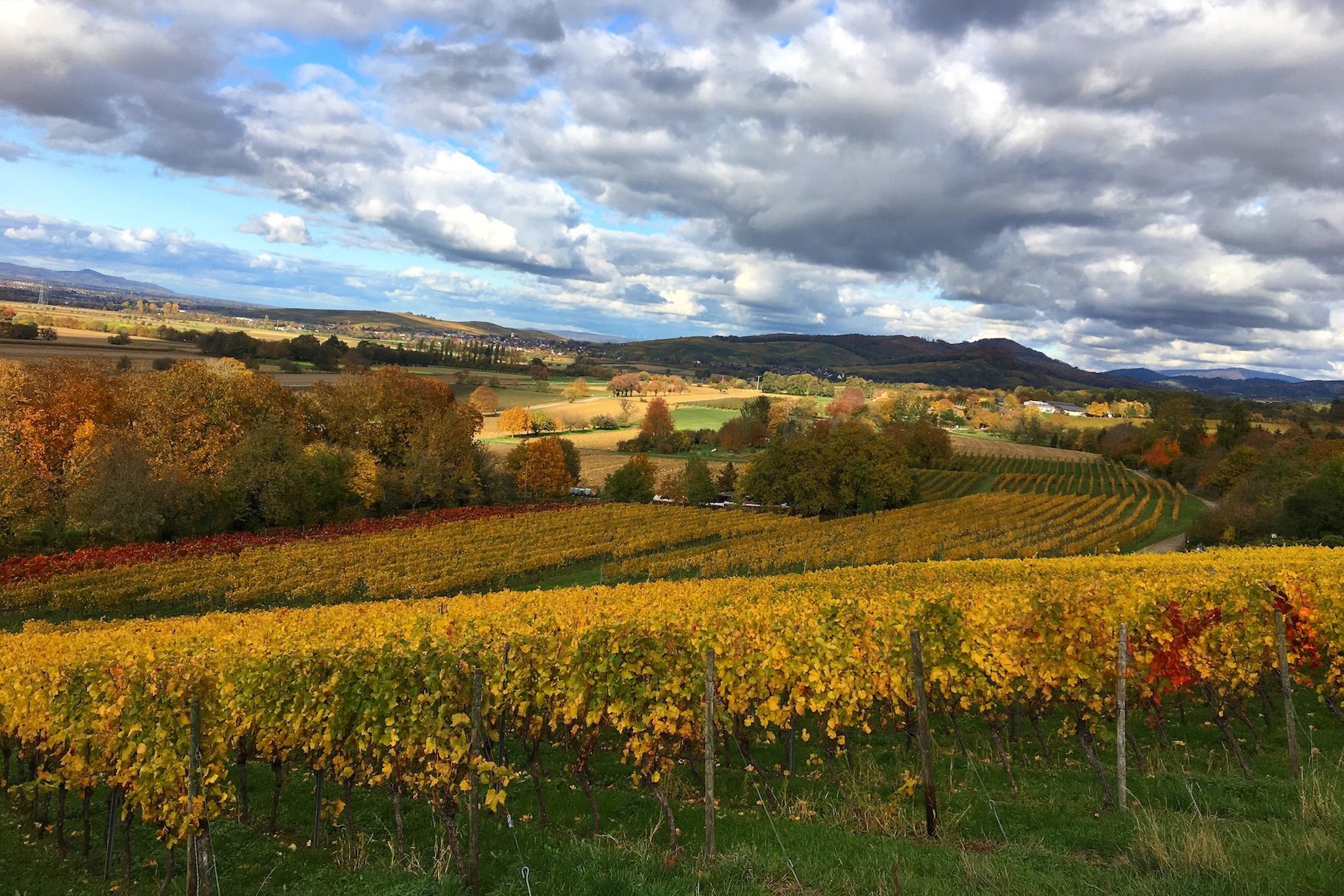
“Everything you say is absorbed into her brain like a sponge,” this mom said. “And now, my daughter notices all the bugs on every tree.” When I was in school, other students made fun of me for stopping to smell the flowers. Now, as a teacher, somehow I’ve convinced a whole generation of teenagers that a flower is something worth smelling and a bird’s call echoing through the Black Forest is worth noticing.
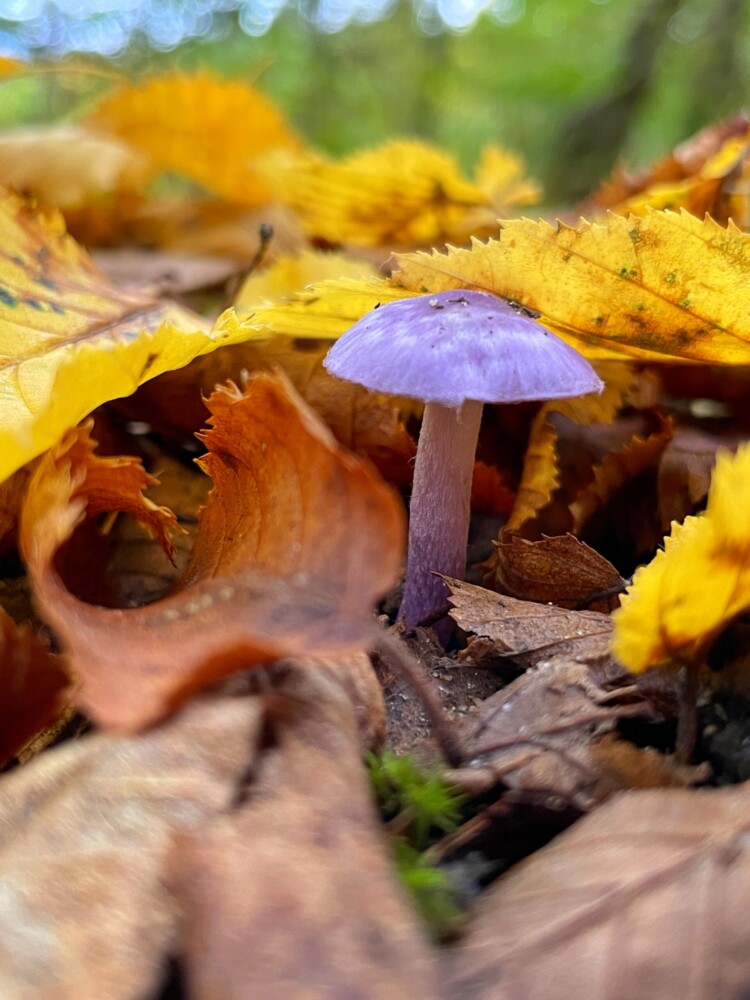
“To notice his glory. To notice his creation. The fear of the Lord might be the beginning of wisdom, but perhaps noticing God’s glory is the beginning of that fear.”
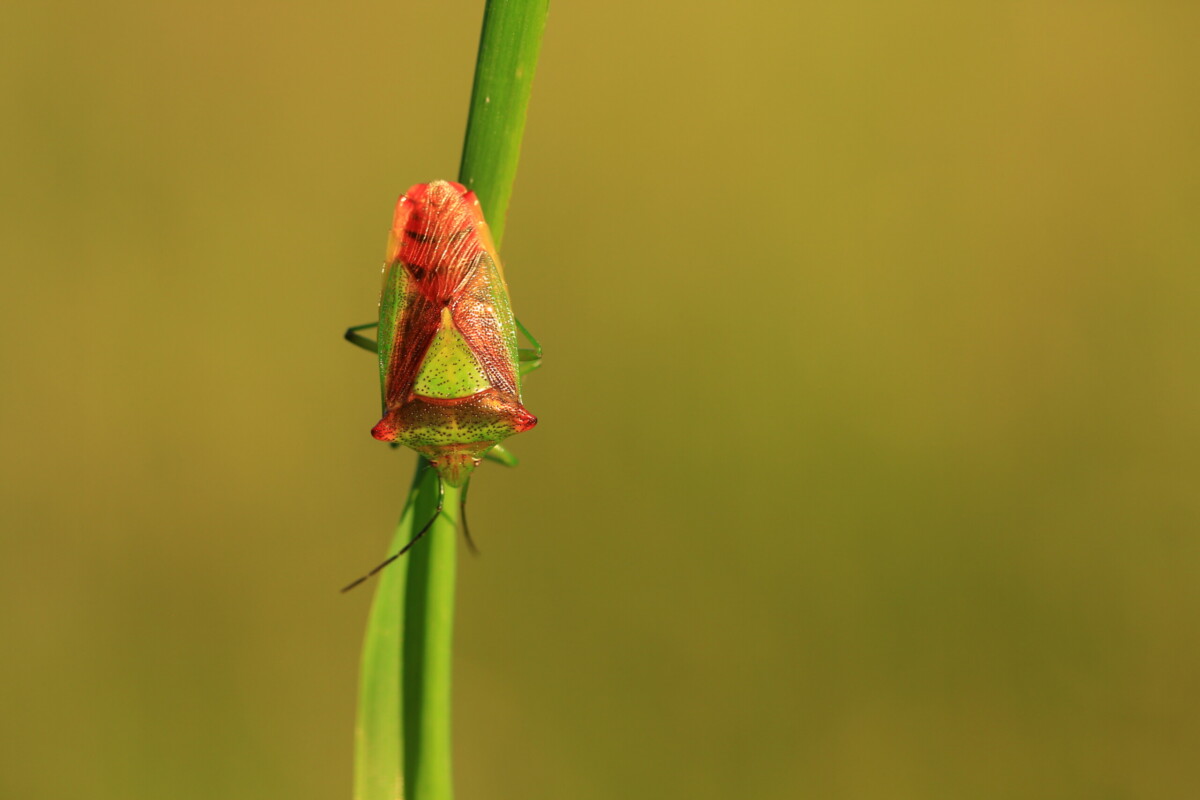
I think Job saw the same value in such things. “Ask the animals, and they will teach you,” he says, “or the birds in the sky, and they will tell you,” (Job 12:7). I can see Solomon holding up small insects to all the youth who would listen, telling them, “Go to the ant, you sluggard; consider its ways and be wise!” (Proverbs 6:6).
Another mom wrote me a letter at the end of the school year. “We have been so touched by your calling to inspire people to love Jesus and notice God’s glory in all creation.”
I stopped to think about the two things she said I inspired her kids to do: To love Jesus, and to notice.
To notice his glory. To notice his creation. The fear of the Lord might be the beginning of wisdom, but perhaps noticing God’s glory is the beginning of that fear. Looking and seeing has to come before respect and awe. Perhaps slowing down and looking at the lichens on a European beech tree is holier than one might think.
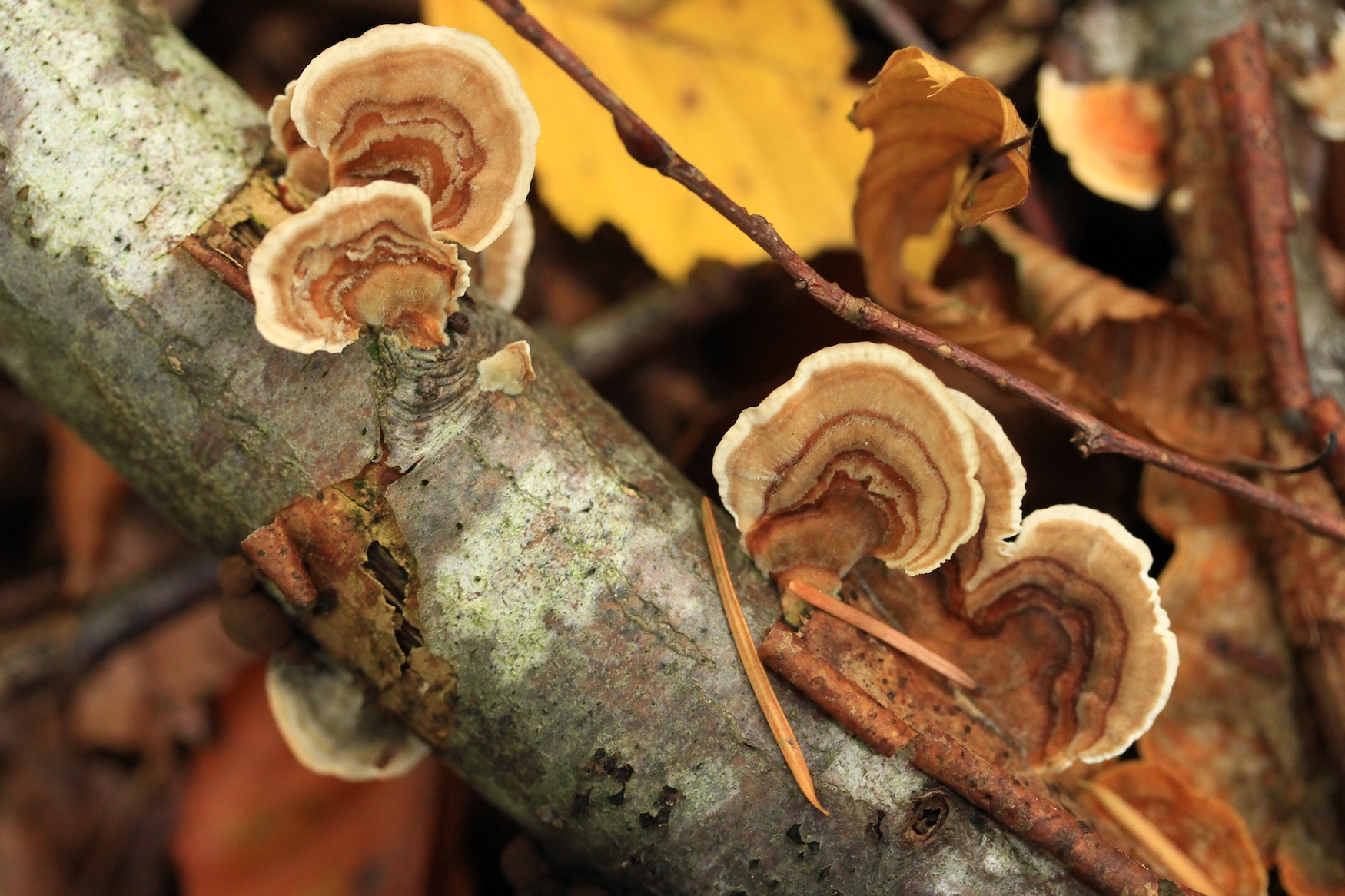
It’s also a habit that can stay with students for the rest of their lives. I’ll never forget one of my former students who approached me one day as she visited BFA’s campus. “Mr. Elkins, I want you to know I’m now working in a lab researching possible chemotherapy treatments derived from fungi.” I asked her how she got into it. “Well— you wouldn’t stop talking about mushrooms in class and on our nature walks. It made me notice them in the forest. I couldn’t stop thinking about them, and now I’m doing cancer research with them.”
All my lessons in decomposers and fungal symbiosis paid off. She had found the secret— not only were mushrooms worth noticing and studying, but people were worth treating and serving. When students realize that they are God’s creation, and they’ve spent a whole year seeing his creatures as noticeable and loveable, maybe, just maybe, they’ll start to see each other the same way.
Related Articles

Updates from the Field
Glimpses of Ministry Around the World Our families serve as Christian workers in dozens

The Impact We Don’t Always See
A Report from the World Nomad Games By Meredith Ward, BFA Connect Photos By

Audio: Finishing the Story
The Full Body of Christ: In this story, a recent BFA parent recounts